Simple Story Typeface: A Sweet & Personal Design Asset
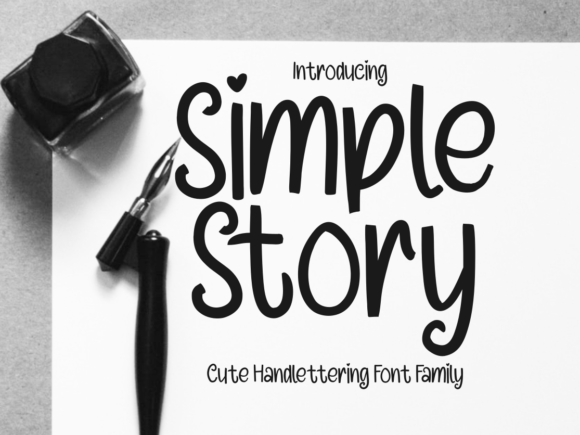
Finding a typeface that feels both personal and professional can transform your design work. The Simple Story typeface, as sweet as it sounds, delivers exactly that feeling. This handwritten font features slim, simple drawn lines that add an immediate personal element to any creative project, from greeting cards to sophisticated brand collateral.
Understanding the Appeal of Handwritten Typography
In graphic design, typography does more than present words—it conveys emotion, tone, and personality. Handwritten fonts like Simple Story tap into a growing trend toward authenticity and human connection in visual communication. They break through the digital noise by offering warmth and approachability, making them valuable assets in any designer's toolkit.
Unlike overly casual or complex script fonts, Simple Story maintains clarity through its clean, simple strokes. This balance is crucial for effective design. It ensures the font remains readable across various applications while still providing that sought-after handcrafted aesthetic. This makes it particularly useful for projects where you want to communicate sincerity without sacrificing professionalism.
Practical Applications for Simple Story
The versatility of a well-crafted handwritten font is one of its greatest strengths. Simple Story can be integrated into numerous design contexts to enhance visual hierarchy and user engagement.
- Branding & Logo Design: Use it for a business name or tagline in logos for boutique brands, artisanal products, or lifestyle services. It helps establish a friendly, approachable brand identity from the first glance.
- Marketing Materials: From flyers and brochures to email headers, Simple Story adds a personal touch that can make marketing messages feel more like a conversation than a sales pitch.
- Social Media Content: Stand out in crowded feeds by using it for quotes, call-to-action text, or highlight labels. It increases visual appeal and can improve engagement rates.
- Web & UI Design: When used strategically—for button labels, feature headings, or testimonial accents—it can soften a digital interface and guide user attention effectively.
- Packaging & Print Design: Ideal for product labels, thank-you cards, or artisanal packaging. It reinforces a product's story and quality, enhancing the unboxing experience.
Integrating Fonts into Your Design Workflow
Choosing the right font is only the first step. Effective integration into your broader design system requires thoughtful consideration. Always evaluate a font's scalability—how it looks from a small caption to a large headline. Test its compatibility with your existing color palette and other typefaces to ensure visual harmony.
Consider your audience and the message's context. Simple Story excels in designs targeting consumers who value creativity, authenticity, and a personal touch. For technical or highly formal industries, it might serve best as an accent font rather than the primary body text. Pairing it with a clean, neutral sans-serif often creates a balanced and modern aesthetic that maintains readability.
Finally, remember that consistency is key in building strong brand identity. Once you select a font like Simple Story for specific uses, document its application rules. Define appropriate sizes, colors, and contexts to ensure all creative assets, from social media graphics to presentation decks, maintain a cohesive and professional look.
Thoughtful typography choices are foundational to compelling visual design. By selecting high-quality, purpose-driven creative assets like the Simple Story typeface, designers and creators can efficiently elevate their work. The right font doesn't just display text; it strengthens communication, builds emotional connection, and ultimately contributes to a more polished and effective design outcome.