Parmesan: A Sweet and Whimsical Handwritten Font for Creative Design
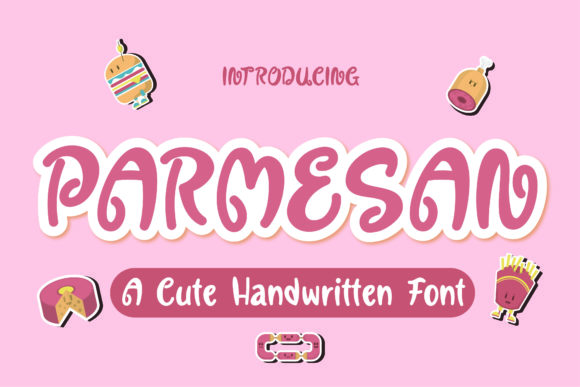
In a digital landscape saturated with sterile sans-serifs, a font that feels genuinely human can be your most powerful design tool. Parmesan, a sweet and whimsical handwritten font, offers just that—a touch of warmth and personality that can instantly elevate any creative project. This isn't just another script font; it's a versatile asset designed to bring a unique, approachable character to your visual communication.
Understanding the Role of Whimsical Typography in Modern Design
Typography is the voice of your design. While clean, geometric fonts project efficiency and modernity, a typeface like Parmesan communicates warmth, authenticity, and creativity. Its hand-drawn quality breaks the visual monotony, creating an immediate emotional connection with the viewer. This is crucial in branding, where establishing a distinct personality is key to standing out. In a world of algorithm-perfect interfaces, a human touch can significantly improve user experience by making digital interactions feel more personal and less transactional.
Practical Applications for the Parmesan Font
The true value of a creative asset lies in its adaptability. Parmesan's balanced whimsy makes it suitable for a wide array of projects, enhancing both digital and print design workflows.
Branding and Logo Design
A logo is the cornerstone of a brand identity. Using Parmesan for a wordmark or as a secondary font can inject personality into brands targeting creative, artisanal, or lifestyle markets. It works exceptionally well for bakeries, boutique shops, wedding planners, children's brands, and wellness businesses. Pair it with a simple, sturdy sans-serif for the body text to maintain readability and establish a clear visual hierarchy.
Marketing and Social Media Graphics
On social media, grabbing attention is paramount. Parmesan excels in creating engaging graphics for quotes, announcements, and calls-to-action. Its friendly style is perfect for Instagram stories, Pinterest pins, and Facebook ads, making promotional content feel more like a genuine recommendation than a hard sell. It enhances the visual design of campaigns aimed at building community and engagement.
Editorial, Packaging, and Web Design
In editorial layouts, use it for pull quotes or chapter titles to add a dash of inspiration. For packaging design, it can convey handcrafted quality and care, telling a story on the shelf. In web and UI design, apply it sparingly to hero sections, special landing pages, or button labels to guide user attention without compromising overall UX design principles.
Tips for Selecting and Using Creative Assets Effectively
Integrating a distinctive font like Parmesan requires thoughtful application. Consider these factors to ensure it strengthens, rather than complicates, your design:
- Audience and Context: Always align your font choice with your target audience's expectations and the project's tone. Whimsical fonts are powerful for certain contexts but may not suit highly technical or formal communications.
- Readability and Scalability: Test the font at various sizes. Ensure it remains legible in small body text if you plan to use it extensively. Often, these fonts perform best as display type for headlines and accents.
- Consistency and System Compatibility: When building a brand identity, document how and when to use the font. Ensure it complements your existing color palette, imagery, and other typographic choices to create a cohesive professional presentation.
- Technical Quality: Evaluate the font's file quality, kerning, and character set. A well-crafted font will include proper punctuation, numerals, and potentially alternate characters for greater creative flexibility.
Elevating Your Creative Projects with Intentional Choices
Ultimately, successful design is about intentional communication. Every element, from the broad composition down to the specific curve of a letterform, contributes to the overall message and aesthetic. Incorporating a high-quality asset like the Parmesan font is not merely a decorative decision; it's a strategic one that can enhance brand storytelling, foster emotional engagement, and create memorable visual experiences. By thoughtfully selecting and applying such resources, designers and creators can ensure their work is not only beautiful but also deeply effective and resonant.