Sweet Rosie: A Charming Handwritten Font for Modern Design
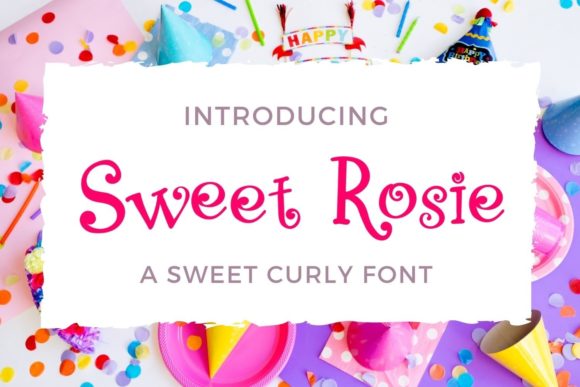
Imagine a typeface that feels like a personal, handwritten note, instantly infusing your design with warmth and authenticity. This is the captivating appeal of Sweet Rosie, a charming and curly looking handwritten font that has become a beloved asset for designers seeking to add a touch of elegance and personality to their work. In a digital landscape often dominated by clean, geometric sans-serifs, a well-crafted script font like Sweet Rosie offers a powerful way to stand out, create emotional resonance, and build a distinct visual identity.
The Role of Expressive Typography in Visual Communication
Typography is a cornerstone of effective graphic design, directly influencing readability, tone, and the overall user experience. While minimalist fonts excel in clarity, handwritten scripts like Sweet Rosie serve a different, crucial purpose. They inject human touch and character into a design, making communications feel more personal, approachable, and memorable. This font's ravishing style, with its fluid curves and graceful connections, is particularly effective for projects where storytelling and emotional connection are paramount. It helps establish a visual hierarchy that guides the viewer's eye while simultaneously setting a specific mood—be it romantic, whimsical, or sophisticatedly casual.
Practical Applications for Creative Projects
The versatility of Sweet Rosie allows it to enhance a wide array of creative projects across both print and digital mediums. Its application goes far beyond simple decoration; it is a strategic tool for brand building and audience engagement.
- Branding and Logo Design: For boutique businesses, artisanal brands, or lifestyle services, Sweet Rosie can form the core of a memorable logo. It works beautifully as a primary wordmark or as a complementary script for a tagline, helping to craft a brand identity that feels bespoke and high-quality.
- Marketing and Social Media Graphics: In digital marketing, where grabbing attention is key, Sweet Rosie can make social media posts, story highlights, and email headers pop. Its eye-catching style is perfect for quotes, promotional announcements, and calls-to-action, improving engagement on platforms like Instagram and Pinterest.
- Print and Packaging Design: The font translates exceptionally well to physical products. Use it for wedding invitations, greeting cards, stationery, and product labels. On packaging design, it can signal a product's handmade or premium nature, enhancing the unboxing experience and strengthening brand perception.
- Editorial and Web Design: When used sparingly and thoughtfully, Sweet Rosie can elevate editorial layouts, magazine headers, or blog titles. In UI design, it can be applied to specific buttons or feature highlights to draw attention, though it should be paired with highly legible fonts for body text to maintain optimal user experience.
Tips for Effective Integration and Usage
Integrating a distinctive font like Sweet Rosie into a design system requires thoughtful consideration to ensure it enhances rather than overwhelms. Always prioritize context and audience expectations.
- Ensure Readability and Scalability: Test the font at various sizes. While it may be stunning in large headlines, its curly details can become illegible in small body text. Use it for display purposes and pair it with a clean, complementary sans-serif or serif font for longer paragraphs.
- Maintain Visual Hierarchy: Use Sweet Rosie strategically to create focal points. Reserve it for key elements like headings, names, or short, impactful phrases. This creates a clear structure that guides the viewer through your content without causing visual fatigue.
- Harmonize with Color and Imagery: The font's personality should align with your overall color palette and imagery. Soft pastels and warm neutrals often complement its romantic aesthetic, while bold contrasts can create a more modern, graphic effect. Ensure it supports, rather than competes with, your other visual elements.
- Check Licensing and Compatibility: Before using Sweet Rosie in commercial projects, verify the font's license. Also, check its compatibility with your design software and ensure it includes all necessary characters and glyphs for your project's language requirements.
Ultimately, the power of a creative asset like Sweet Rosie lies in its ability to communicate a specific feeling and elevate a project's professional presentation. In the realm of modern aesthetics, where authenticity and personality drive connection, choosing the right typography is a critical design decision. By thoughtfully applying such assets, designers, marketers, and creators can significantly improve their visual communication, ensuring their work not only looks beautiful but also resonates deeply with their intended audience, fostering stronger brand loyalty and a more engaging user experience.