Happy Children: A Font for Authentic Design
Every designer knows the power of a single font to transform a project from generic to genuinely engaging. The right typeface doesn't just convey words; it communicates emotion, establishes tone, and builds an instant connection with the viewer. This is where the charm of a handwritten font like Happy Children becomes an invaluable asset in your creative toolkit, offering a bridge between professional polish and heartfelt authenticity.
Understanding the Visual Impact of Handwritten Typography
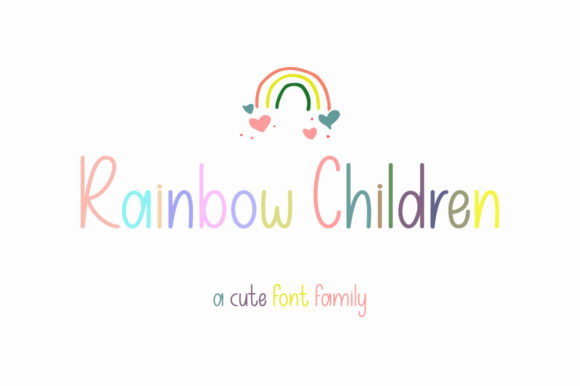
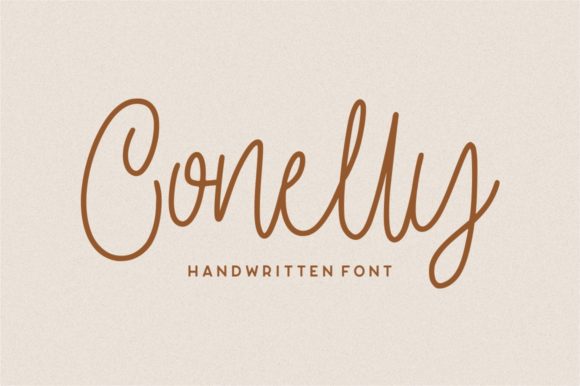
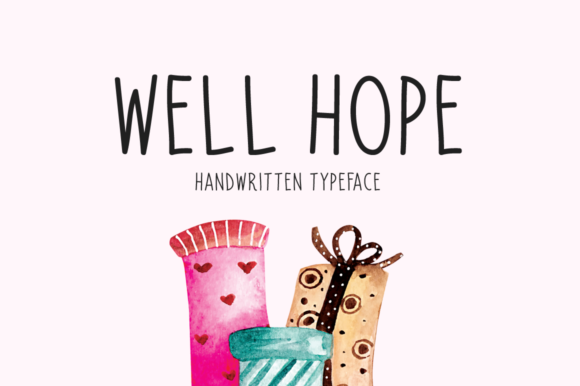
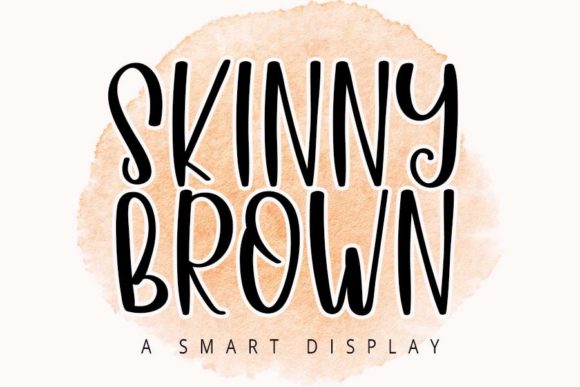
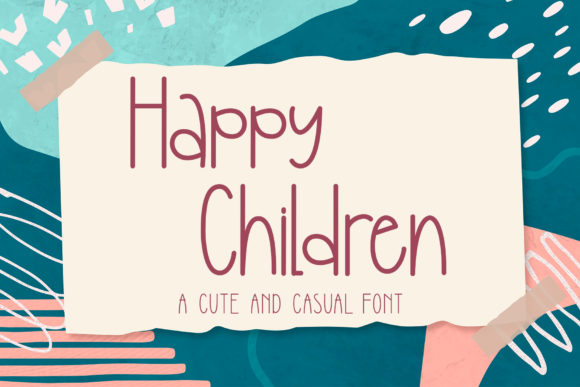
In a digital landscape often dominated by clean, geometric sans-serifs, a carefully chosen handwritten font cuts through the noise. It injects personality, warmth, and a human touch that resonates on an emotional level. Happy Children, with its cute and thin lettered style, excels in creating a friendly, approachable, and slightly whimsical atmosphere. Its authentic look is perfect for designs that aim to feel personal, educational, or nostalgic, making it a strategic choice for specific branding and visual communication goals.
Practical Applications Across Creative Projects
The versatility of a font like Happy Children extends far beyond simple quotes. Its unique character makes it suitable for a wide range of applications where a personal touch is paramount. Consider integrating it into your design workflow for:
- Branding & Logo Design: Ideal for brands targeting families, children's products, educational services, or artisanal goods. It helps craft a brand identity that feels caring and genuine.
- Marketing Materials: Enhance the appeal of flyers, brochures, and posters for community events, school functions, or local businesses with a friendly, welcoming voice.
- Social Media Content: Create standout graphics for Instagram stories, Pinterest pins, or Facebook posts that require a soft, engaging aesthetic to boost user engagement.
- Editorial & Web Design: Use for pull quotes, section headers, or call-to-action buttons in blogs and websites focused on parenting, education, or lifestyle to improve visual hierarchy and reader connection.
- Packaging & Merchandise: Add a handcrafted feel to product labels, gift tags, tote bags, or stickers, making items feel more personal and special.
Integrating Happy Children into a Cohesive Design System
While a decorative font is powerful, its effectiveness depends on thoughtful application. To maintain a professional presentation and ensure readability, balance is key. Happy Children works best as an accent font for headlines, subheads, or short bursts of text rather than for long paragraphs. Pair it with a clean, neutral sans-serif or serif font for body copy to create a clear visual hierarchy. Always consider your color palette; soft pastels or warm neutrals often complement its gentle aesthetic, while high-contrast colors can make it pop in a modern context.
Evaluating and Selecting Design Assets
When choosing any creative asset, including typography, align it with your project's core goals. Ask yourself: Does this font support my brand's message? Is it legible at the required size and on the intended medium? Does it scale well for different applications, from a small favicon to a large poster? For a font like Happy Children, its thin strokes are elegant but may require careful testing for visibility in small sizes or on low-resolution screens. Ensuring compatibility with your existing design system will streamline your workflow and produce a cohesive result.
Ultimately, the strength of any design lies in the deliberate selection of its components. A typeface like Happy Children is more than a decorative element; it is a tool for storytelling and connection. By understanding its personality and applying it with strategic intent, designers and creators can elevate their work, ensuring that every visual not only looks beautiful but also communicates the right message to the right audience, fostering trust and engagement through authentic visual language.