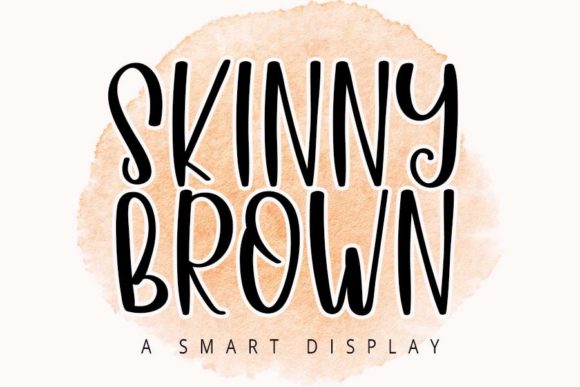
Skinny Brown: A Handwritten Font for Authentic Design
In a digital world saturated with sharp, geometric typefaces, the authentic human touch of Skinny Brown offers a refreshing sense of personality and warmth. This tall, casual, and relaxed handwritten font is more than just a creative asset; it's a tool for injecting genuine character into visual communication. Its natural, flowing style bridges the gap between approachable informality and polished professionalism, making it an invaluable resource for designers seeking to create memorable and engaging visuals.
The Role of Authentic Typography in Modern Design
Typography is a cornerstone of visual hierarchy and brand identity. While sans-serifs and serifs provide structure, handwritten fonts like Skinny Brown introduce an essential layer of emotional resonance. They mimic the imperfections of human handwriting, which subconsciously signals authenticity and creativity to the viewer. This makes it incredibly effective for projects where building a personal connection or conveying a relaxed, modern aesthetic is paramount. In an era where audiences crave realness, such typography can significantly enhance user engagement and brand recall.
Practical Applications Across Creative Projects
The versatility of Skinny Brown allows it to shine across a multitude of design disciplines. Its unique style adapts seamlessly, enhancing everything from digital interfaces to physical products.
- Branding and Logo Design: Use Skinny Brown to craft logos for lifestyle brands, boutique studios, cafes, or artisanal products. It instantly communicates a handmade, bespoke quality that strengthens brand identity.
- Marketing and Social Media Graphics: Create eye-catching headlines, quotes, and calls-to-action for social media posts, email headers, and digital ads. Its casual tone is perfect for connecting with audiences on platforms like Instagram and Pinterest.
- Editorial and Packaging Design: Apply it to magazine pull quotes, book covers, or product packaging to add a layer of artistic flair. It works beautifully for organic, beauty, or craft-related products.
- Web and UI Design: When used sparingly for accents, buttons, or section headings, it can soften the interface of a website or app, making the user experience feel more personal and less corporate.
- Presentation and Merchandise: Elevate slide decks or design merchandise like tote bags and mugs with a typographic element that feels curated and creative.
Tips for Effective Implementation
To maximize the impact of Skinny Brown, thoughtful application within your design workflow is key. Consider these factors for a professional result:
- Prioritize Readability: Handwritten fonts are best used for headlines, short phrases, or accents. Avoid using them for long paragraphs of body text, as legibility can suffer at smaller sizes.
- Maintain Visual Hierarchy: Pair Skinny Brown with a clean, neutral sans-serif or serif font for body copy. This contrast creates a dynamic and balanced composition, ensuring your main message is clear while the handwritten font adds stylistic emphasis.
- Ensure Scalability: Test the font at various sizes to ensure its unique details remain crisp and legible, from a small social media icon to a large banner ad.
- Align with Brand Voice: Confirm that the font's relaxed, creative personality aligns with your client's brand values and your project's overall design goals. It should complement, not clash with, your color palette and imagery.
- Check Licensing: Always verify the font's licensing for your intended use, whether for personal projects, client work, or commercial merchandise.
Ultimately, selecting the right typeface is a critical decision that influences perception and communication. A well-chosen creative asset like Skinny Brown does more than decorate; it tells a story, evokes emotion, and builds a cohesive visual language. By integrating such thoughtfully designed typography into your projects, you elevate the overall quality, ensuring your work not only looks polished but also connects meaningfully with its intended audience. The right font is a powerful ally in transforming a good design into a great one.