Baby Planner: A Typeface for Crisp, Modern Design
In a saturated digital landscape, finding a typographic voice that feels both uniquely personal and professionally polished can be a challenge. Enter Baby Planner, a distinctive entry into the modern handwritten collection that masterfully bridges this gap. It’s not just another script font; it’s a design tool crafted for clarity and crisp elegance, offering a visual tone that feels as fresh as a mountain breeze.
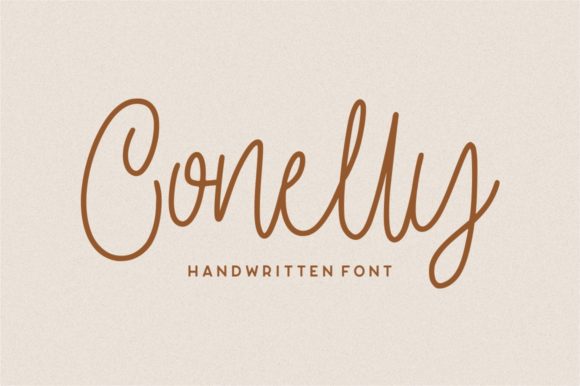
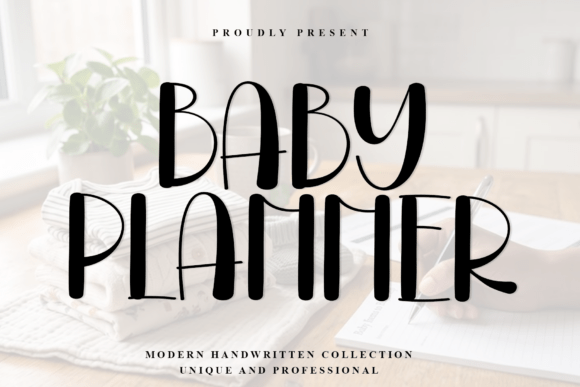
At its core, Baby Planner is defined by its tall, thin strokes and a subtle, airy slant. This combination creates a refined aesthetic that avoids the common pitfalls of casual script fonts—namely, illegibility and a lack of sophistication. Its clean, approachable style makes it a versatile asset for designers seeking to inject personality without sacrificing professionalism. Whether you're working on branding, web design, or social media graphics, this typeface provides a solution that is both visually engaging and functionally sound.
Practical Applications Across Creative Projects
The true value of a typeface like Baby Planner lies in its adaptability. It excels in projects where a human touch is needed to build connection and trust. Consider its use in:
- Branding and Logo Design: For boutique brands, artisanal products, or lifestyle services, Baby Planner can form the cornerstone of a brand identity. Its elegance lends itself to logos for wedding planners, organic skincare lines, or independent cafes, creating an immediate sense of care and quality.
- Marketing and Social Media: In digital marketing, attention is currency. This font’s unique character makes headlines, quotes, and calls-to-action on social media graphics stand out. It pairs beautifully with clean sans-serifs for a balanced visual hierarchy in ads, email banners, and Instagram stories.
- Web and UI Design: Used strategically in UI design—for hero text, pull quotes, or menu headers—it can soften a digital interface and enhance user experience by adding warmth. It’s particularly effective for brands in the travel, outdoor, or wellness sectors, aligning perfectly with imagery of nature and adventure.
- Editorial and Packaging: In editorial design, it brings a personal, journal-like quality to magazines or lookbooks. For packaging design, it can elevate product labels, especially for cosmetics, gourmet foods, or gift boxes, communicating a story of craftsmanship.
Integrating Baby Planner into Your Design Workflow
Introducing a new typeface into your toolkit requires thoughtful evaluation. To leverage Baby Planner effectively, consider these practical tips:
- Assess Readability and Scalability: Test the font at various sizes. Its thin strokes are optimized for medium to large display text. Use it for headlines and short phrases rather than long paragraphs of body copy to maintain readability.
- Establish Context with Pairing: Create a strong visual hierarchy by pairing it with a neutral, geometric sans-serif (like Montserrat or Lato) for body text. This contrast ensures clarity while letting Baby Planner’s personality shine in key moments.
- Align with Audience and Goals: Ensure the font’s aesthetic matches your design goals and audience expectations. Its elegant, airy feel is ideal for aspirational, lifestyle, or premium markets. It may be less suitable for highly technical or corporate contexts requiring extreme formality.
- Test with Color and Imagery: Experiment with how Baby Planner interacts with your color palette and photographic styles. It often looks stunning in muted, earthy tones or against clean, minimalist backgrounds, enhancing a brand’s modern aesthetics.
Ultimately, thoughtful typography is a critical component of effective visual communication. Choosing a typeface like Baby Planner is an investment in the emotional resonance of your work. It demonstrates an understanding that quality creative assets