Shallow Font: Elevate Your Design with Elegant Typography
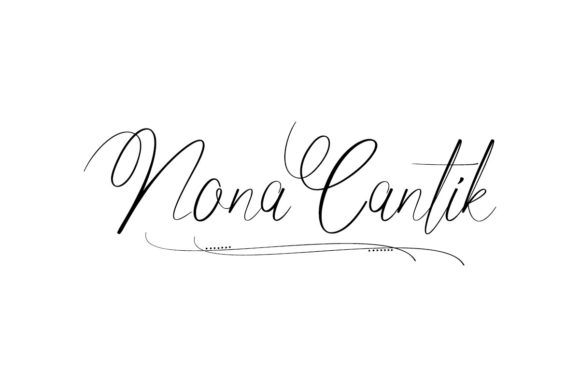
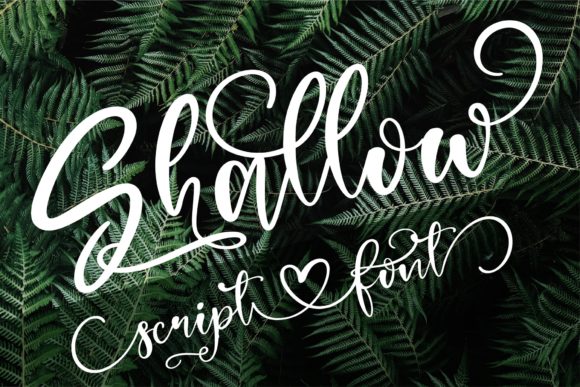
In the crowded landscape of digital design, a single font can transform a project from ordinary to unforgettable. The right typeface doesn't just convey words; it communicates mood, establishes hierarchy, and builds instant connection. For designers seeking a blend of sophistication and approachability, Shallow emerges as a compelling choice. This beautiful and light handwritten font brings a unique, personal feel to any creative work, offering a stunning impact that adds a luxury spark to branding, marketing, and digital content.
Understanding the Power of a Distinctive Typeface
Typography is the backbone of effective visual communication. It guides the viewer's eye, sets the tone for your message, and reinforces brand identity. A font like Shallow, with its fluid strokes and elegant character, excels in contexts where human touch and premium quality are paramount. Its design balances readability with artistic flair, making it suitable for both display headlines and refined body text in specific applications. As a PUA encoded font, it provides extensive access to glyphs and ligatures, allowing for nuanced typographic expression that can elevate a design's professionalism and visual depth.
Practical Applications for Modern Design Projects
The versatility of a well-crafted handwritten font makes it a valuable creative asset across numerous disciplines. Its application can significantly enhance user engagement and aesthetic appeal.
- Branding and Logo Design: Use Shallow to craft logos and brand marks that feel authentic, luxurious, and memorable. It’s particularly effective for boutique brands, lifestyle companies, or creative services aiming for a high-end yet personal image.
- Marketing Materials: From business cards to brochures, incorporating this font can make printed collateral stand out, conveying attention to detail and quality craftsmanship.
- Social Media Graphics: In the fast-paced world of digital marketing, distinctive typography helps posts capture attention. Shallow can be used for quotes, announcements, or story overlays to create a cohesive and visually striking social media presence.
- Web and UI Design: When applied judiciously—such as for hero sections, pull quotes, or special navigation elements—it can add warmth and character to an otherwise minimalist interface, improving the overall user experience.
- Editorial and Packaging Design: For book covers, magazine headlines, or product packaging, this font can evoke a sense of artisanship and care, directly influencing perceived value and consumer appeal.
Tips for Selecting and Using Creative Assets Effectively
Integrating any new design element requires thoughtful consideration to ensure it aligns with your project's goals. Here are key factors to evaluate:
- Audience and Context: Always consider who will view your design. A playful, handwritten style resonates with certain demographics but may not suit formal corporate communications. Ensure the font's personality matches your brand's voice and audience expectations.
- Visual Hierarchy and Readability: Use Shallow for emphasis rather than lengthy paragraphs. Pair it with a clean, neutral sans-serif or serif font for body text to maintain clarity and establish a clear hierarchy.
- Consistency Across Touchpoints: For strong brand identity, apply the font consistently across all platforms—website, social media, print—to create a unified and recognizable visual language.
- Scalability and Technical Compatibility: Test the font at various sizes and across different devices. Its PUA encoding ensures broad compatibility, but always verify rendering in your final design environment, be it for web design or print.
Thoughtful design is an investment in communication. By carefully selecting typography and other visual elements, you create a cohesive aesthetic that not only looks professional but also strengthens your message. Quality creative assets like a versatile font streamline the design workflow, allowing you to focus on innovation and storytelling. Ultimately, the goal is to craft experiences that resonate—where every color choice, compositional layout, and typographic detail works in harmony to engage, inform, and inspire your audience.